
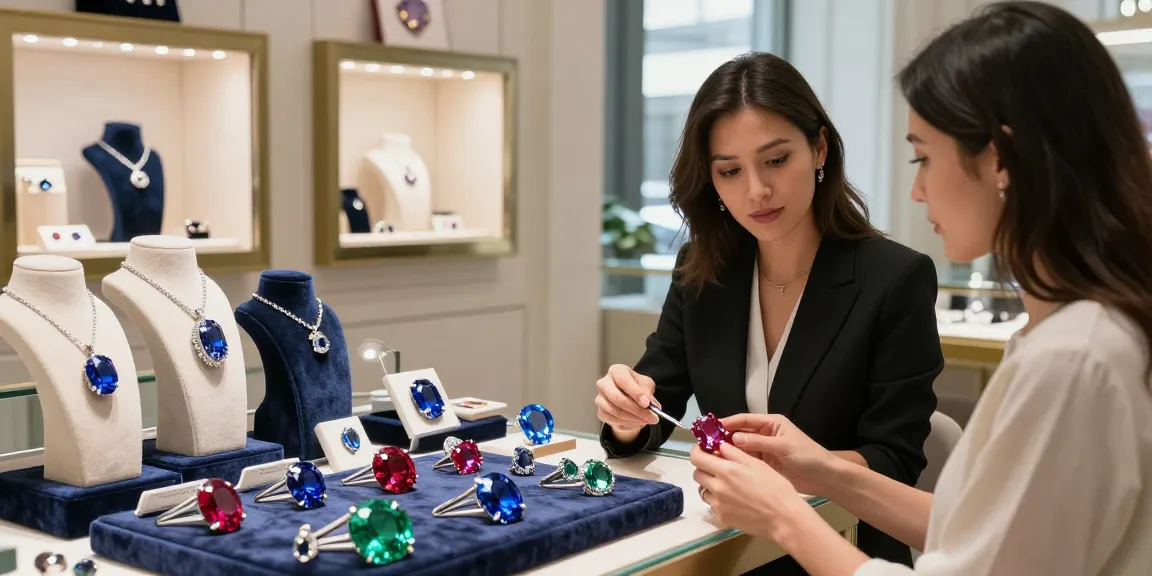
Understanding Gemstone Quality and Value
When it comes to investing in gemstones, understanding the factors that influence their quality and value is paramount. Gemstones have captivated humanity for centuries, not just for their aesthetic beauty but also for their intrinsic value. The market for gemstones has evolved, and platforms like https://www.mygemspot.com have made it easier for individuals to navigate the complexities of gemstone trading, providing access to trusted merchants specializing in the highest quality stones.
What Makes a Gemstone Valuable?
Several factors contribute to the value of a gemstone, commonly known as the “Four Cs”: Carat, Cut, Color, and Clarity. Each of these characteristics plays a critical role in determining how a gemstone is valued in the market.
- Carat: This refers to the weight of the gemstone. Larger stones are generally more valuable, but the pricing can also be influenced by the type of gemstone.
- Cut: The quality of the cut affects how well the gemstone reflects light. A well-cut gemstone will have better brilliance and sparkle.
- Color: For colored gemstones, hue, saturation, and tone are essential. The most valuable stones are often those with the deepest, richest colors.
- Clarity: This refers to the presence of inclusions or blemishes within the gemstone. The fewer blemishes a stone has, the more valuable it is.
Key Characteristics to Look for in Gemstones
In addition to the Four Cs, buyers should consider the following characteristics when evaluating gemstones:
- Origin: Certain gemstones from specific regions are highly sought after due to their unique qualities and origin history.
- Provenance: A gemstone’s history can affect its value. Stones with a notable provenance can demand higher prices.
- Treatment: Many gemstones undergo treatments to enhance their color or clarity. Understanding these treatments is crucial, as they can significantly impact value.
How to Assess the Quality of a Merchant
Choosing a reputable merchant is as essential as selecting the right gemstone. Here are a few tips to assess a merchant’s credibility:
- Reviews and Testimonials: Look for feedback from previous customers. High ratings and positive comments often indicate a trustworthy seller.
- Certifications: Merchants who offer gemstones with certification from reputable gemological laboratories can provide assurance of the stone’s quality.
- Transparency: A good merchant will disclose information about the gemstone’s origin, treatment, and appraisal documentation.
Finding Reliable Gemstone Merchants
With the rise of e-commerce, finding reliable gemstone merchants can seem daunting. However, tools and platforms like https://www.mygemspot.com streamline this process by connecting buyers with trusted sellers.
How to Use https://www.mygemspot.com Effectively
Leveraging online platforms requires some know-how. Here’s how to use My Gem Spot effectively:
- Research: Take the time to browse through the listings. Pay attention to merchant profiles to find those that specialize in the gemstones you desire.
- Compare Options: Don’t settle for the first option. Look at multiple listings for similar gemstones to gauge pricing and quality.
- Engage with Sellers: Don’t hesitate to ask questions about the stones or the merchant’s policies. Good sellers will be responsive.
Top Tips for Identifying Trustworthy Sellers
Identifying trustworthy sellers is crucial for a smooth gemstone purchasing experience. Here are some top tips:
- Verify Contact Information: Ensure the seller has a physical address and customer service contact options. This adds a layer of trust.
- Check for Policies: Reliable merchants will have clear return and exchange policies. Look for those that favor customer satisfaction.
- Look for Membership in Associations: Membership in gemstone and jewelry associations can indicate a seller’s commitment to ethical practices.
Common Pitfalls in Gemstone Purchasing
Even experienced buyers can fall for common pitfalls. Awareness is key:
- Overpaying: Always compare prices before purchasing. Researching market values can help avoid overpayment.
- Ignoring Documentation: Avoid merchants who don’t provide certification or appraisal documentation. It’s essential for proving a gemstone’s authenticity.
- Rushing the Purchase: Take your time to make an informed decision. A quick purchase often leads to dissatisfaction.
Navigating the World of Online Gemstone Shopping
Shopping for gemstones online requires a strategy to mitigate risks and maximize value. Here are some best practices to enhance your online shopping experience.
Best Practices for Safe Online Transactions
Online transactions come with inherent risks, but following these best practices can keep your shopping secure:
- Use Secure Payment Methods: Always use secure payment methods that offer buyer protection, such as credit cards or reputable payment systems.
- Check Security Features: Make sure the website uses SSL encryption, indicated by a padlock symbol in the address bar, to protect your data.
- Avoid Public Wi-Fi: Only conduct transactions over secure, private internet connections to minimize the risk of data theft.
Leveraging Customer Reviews and Testimonials
Customer reviews are invaluable resources for gauging the reliability of a merchant. However, discerning useful reviews from fake ones is essential:
- Look for Detailed Feedback: Reviews that provide specific details about the product and the buying experience are often more trustworthy.
- Consider Overall Ratings: A collection of reviews can paint a clearer picture than a single high or low rating.
- Be Wary of Patterns: Multiple reviews with similar phrasing or generic praise might indicate fake feedback.
Understanding Return Policies and Guarantees
Before making a purchase, it’s vital to understand the return policy. Reliable sellers will offer:
- Flexible Return Periods: Look for merchants that provide 30 days or more for returns.
- Clear Conditions: Ensure that the conditions for returns, such as the necessity for items to be undamaged, are clearly stated.
- Return Shipping Costs: Understand who bears the cost of return shipping in case you need to send back the item.
Collecting and Investing in Gemstones
Collecting gemstones is not just about aesthetics; it can also be a lucrative investment opportunity. Here’s how to approach it.
How to Build a Balanced Gemstone Collection
A balanced collection should consider the diversity of gemstones:
- Variety in Types: Include a range of gemstones, both precious (like diamonds and rubies) and semi-precious (like amethyst and garnet).
- Quality vs. Quantity: Focus on acquiring high-quality stones over quantity. A few excellent pieces can be more valuable than a large collection of lesser quality.
- Stay Informed: Keep abreast of trends in the gemstone market to identify which stones are gaining or losing value.
The Long-Term Value of Gemstone Investments
Investing in gemstones can yield significant returns over time:
- Market Growth: The gemstone market has historically shown resilience and growth. This trend is expected to continue as consumer interest rises.
- Emotional Value: Beyond monetary gains, gemstones often carry emotional significance, adding intrinsic value to the investment.
- Inflation Hedge: Gemstones can serve as a hedge against inflation, preserving wealth in times of economic uncertainty.
Market Trends to Watch in 2026
As we look ahead to 2026, several trends are emerging in the gemstone market:
- Sustainability: As consumers grow more eco-conscious, ethically sourced and sustainable gemstones are becoming increasingly popular.
- Technology Integration: The use of blockchain for verifying gemstone provenance and ownership is gaining traction, enhancing trust in the marketplace.
- Emerging Markets: Demand for gemstones is increasing in emerging economies, creating growth opportunities for both buyers and sellers.
Frequently Asked Questions
What types of gemstones are best for beginners?
Beginners are often advised to start with semi-precious gemstones such as amethyst, citrine, or garnet. These stones are more affordable and allow individuals to learn about gemstone properties without a significant financial commitment.
How do I care for my gemstones?
Caring for gemstones involves keeping them clean and safe from damage. Regular cleaning with a soft cloth and avoiding exposure to harsh chemicals can help maintain their luster.
Are gemstones a good investment?
Yes, gemstones can be a good investment, especially when purchased wisely and with an understanding of market trends. They can appreciate in value over time, making them a viable long-term investment option.
How to tell if a gemstone is real?
To determine if a gemstone is real, consider its weight, clarity, and color. Professional appraisals are also recommended for accurate authenticity verification.
What are the latest gemstone trends for 2026?
Emerging trends include a growing emphasis on sustainability, the use of advanced technologies for gemstone verification, and increased consumer demand in developing markets.

